
Well quite a lot, has digitalization changed the profession for better or worse?
It’s not an easy question to answer.
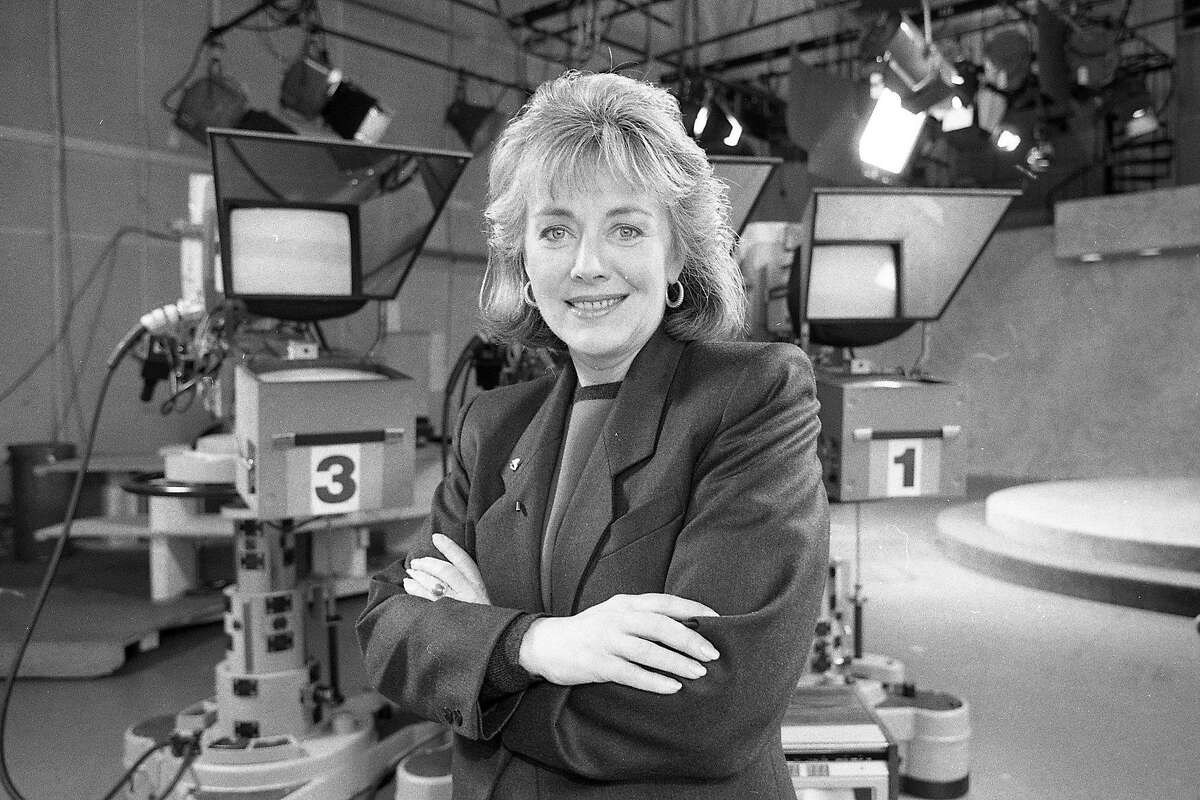
Anchoring is the profession of presenting and coordinating a television or radio program. People often associate the role with news broadcasting. In the age of the fourth industrial revolution also known as the digital revolution, the profession of anchoring has changed drastically. Traditionally back when technology was expensive to own and the only form of media entertainment was transmitted by a television. High maintenance cost of running TV stations meant only few companies could afford to run show on cable. The demand for talk show host and news anchors was very low, only the most qualified and suitable candidates were selected making the market for this profession very niche. Fast forward into the second decade of the 21st century. The demand for such a profession has never been higher. The accessibility of technology combined with the multipurpose of a smartphone has boasted the profession to a point where anyone who can afford a phone and internet service to start their own broadcast or program. platforms such as Youtube, tiktok, Instagram and facebook has allowed creators to post their own content on their personalized platform. Meaning that now people wouldn’t need millions of pounds to set up a tv station or thousands of pounds to set up a radio station. Millennials have embraced these platforms with full force, and are the majority of creators anchoring their programs. Taking charge or directing, scripting and performing all at the same time. Meaning instead of traditional role of just anchoring in the past, creators must write their own script and direct the whole show. Take the 15 highest paid news anchors today, from Sean Hannity which earns 40 million dollars to Erin Burnett who earns 3 million, the average age of the 15 highest paid news anchors in 2019 was 56.2 years, the youngest being Erin Burnett at 42 and the oldest being Diane Sawyer at 74. To say the so called traditional anchors are old and aging is an understatement. However the Anchors of new platforms such as Youtube are significantly younger. Taking into account the 10 highest anchors on Youtube from Ryan Kaji which earns 26 million dollars to Evan Fong which earns 11.5 million dollars the average age is only 26 years, and the youngest two members are Ryan Kaji and Anastasia Radzinskaya which are only 8 and 6 years old respectively; Ryan reviews childrens toys whiles Anastasia also similarly play with toys, the content of anchoring has completely changed. Digitalization has not only allowed more accessibility to such media platform it has also allowed a younger generation to enter the profession of anchoring. This freedom to control and anchor your own content has created a sense of the American dream; that anyone can be successful on their own.
What does the future hold for the profession?
The future for the profession largely depends on the strategy of broadcasting networks. Too keep traditional formulas or to integrate digitalization into their operations. Television viewership has declined by 20% over the last 5 years from 2014 to 2019. The drop off amongst adults in the age group 18-49 was the steepest reaching a staggering 35%. If trends continue, the inevitable will happen and eventually digital devices such as laptops and smartphone viewership of entertainment will replace radio and television within 10 -20 years. Anchors must transition into using new platforms in order to survive.
Technology is improving at a rapid rate everyday, the complete digitization of the profession is inevitable, more people will be able to access anchoring platforms such as Youtube and TikTok as cost of broadcasting continues to reduce. As more content creators saturate the market, content authenticity is put into question; if anyone can say what they want how true or authentic is the message they are conveying?
Content of anchors will drastically change as to meet demands of the market(millennials), Gossip and fashion trends host show are favoured compared to news about politics and the performance of stock markets.
There is lot of uncertainty in the market for anchors in the digital world as this market is still in its infancy. More laws and regulation may come into play as governments gradually learn about digitalization.
Meet Erica the robot news anchor
I worked on study in Shenzhen which researched viewers reaction when faced with A.I presenting information, anchoring the news and hosting a talk show. Our conclusion showed people value person to person interactions more as technology is not advanced enough to give that “human touch”, they didn’t appreciate the fact A.I didn’t show sympathy them presenting sad news. There is still value in real people anchoring and that may take some time to change.
 YUXUAN's blog
Reblogged this on YUXUAN’s blog.
LikeLike
In the era of the digital revolution, more and more robots are beginning to enter our lives, such as robot stewards, robot waiters. The emergence of these robots has provided us with many conveniences and saved a lot of manpower. At the same time, many robots with rich human emotions and realistic appearances have appeared like the Erica in the video. Their appearance has made the public surprised and scared, even made the public start to reflect on their own values.
In my opinion, the robot news anchor will attract the attention of the public for a period, but in the long run, the public will still be more inclined to see the human anchor. The emergence of anchor robot is to explore what it means to be human and to make people reflect on what is emotion, what is awareness, and what is thinking.
LikeLike